

STARTINFORUM received an order to develop a new website and content for IATELS – International Association for Technology, Education and Language Studies. The website is supposed to serve as a platform for international academic events of the community.
IATELS is an international academic organisation which has been supported and sponsored by STARTINFORUM since the day of its establishment. The Association embraces parnters and participants from a big variety of countries on all continents of the world. The urge to create a new platform was caused by a need to set up a unified system for managing conferences of the Association as well as representing the community to its new partners and members.
- OUR CUSTOMER
- SKILLS
IATELS
Research and Education
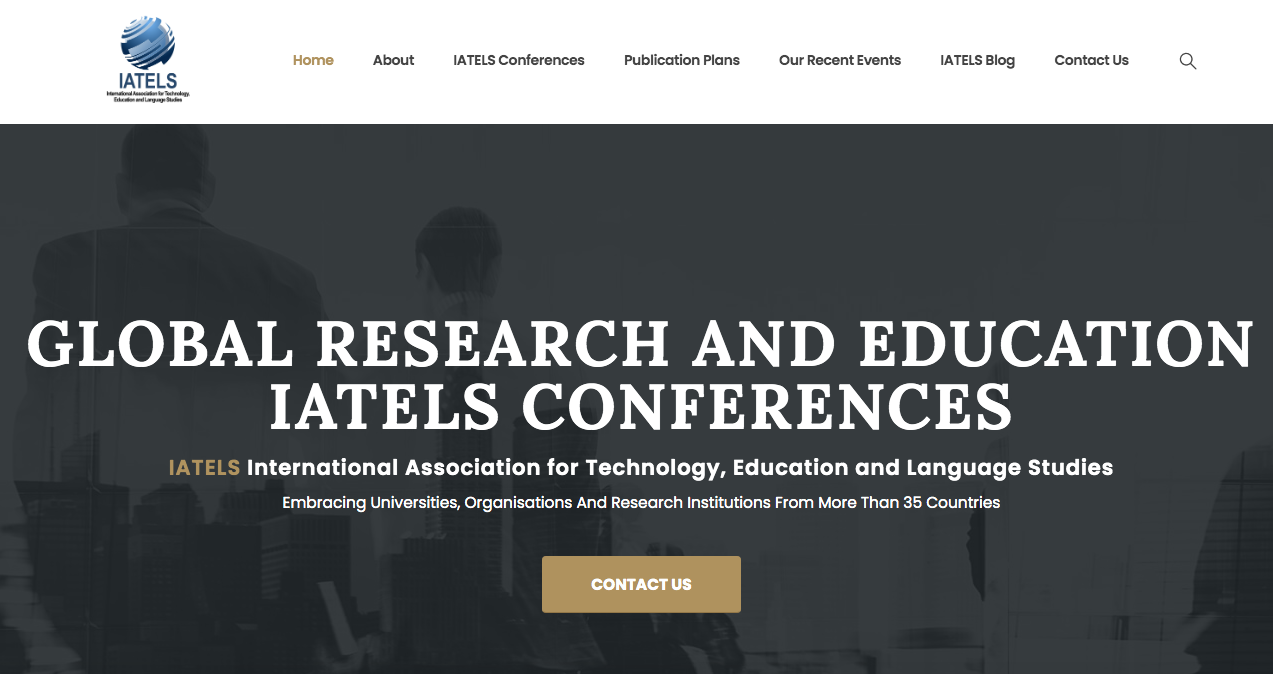
The website was completed within 2 weeks after receiving the order and presented to the customer. It can be checked at https://iatelsconference.org.
1. Analysis of the Company’s Profile and Needs
Analysis of the company’s profile and needs is the foundational step for any project, and in this case, it involved a thorough review of IATELS’s identity and objectives. This process was guided by the client’s brief, which highlighted the need for a unified system to manage international academic events and effectively represent the association to a broader audience.
The analysis revealed several key requirements:
Who they are: IATELS is a global academic organization sponsored by STARTINFORUM, with a diverse international community.
What they need: A new website to serve as a central hub for academic events.
Why they need it: To create a unified system for conference management and to enhance their brand image for new partners and members.
Key stakeholders: The association’s leadership (e.g., Khalid Mahmood, Iryna Sekret), current members, prospective members, and partner institutions.
This analysis directly informed the proposed website content and structure, ensuring that every element—from the home page to the membership packages—is aligned with IATELS’s mission and serves the needs of its community.
2. Identifying the Style and Structure of the Website
Identifying the style and structure of the website is a crucial skill that involves translating the client’s brand identity and functional needs into a cohesive digital design. This stage moves beyond the “what” and focuses on the “how”—how the content will be presented to create a seamless user experience.
Key Aspects of the Skill
- Translating Brand Identity: This step involves understanding the core values of IATELS and STARTINFORUM. Given their roles in academia and professional development, the website’s style should be professional, clean, and trustworthy. The design should use a color palette and typography that convey a sense of authority and modernity.
- Structuring for Clarity: Based on the analysis of needs, the website structure must be intuitive. The goal is to ensure users—from new students to established professors—can easily find information without confusion. This means:
- Clear Navigation: Using a simple menu with logical headings like “About,” “Events,” “Membership,” and “Publications.”
- Tiered Information: Presenting key information upfront on the homepage with clear calls to action, then providing more detailed content on dedicated sub-pages.
- User-Centric Layout: The layout should guide the user through the most important sections, from discovering an event to understanding membership benefits.
- Ensuring Scalability: The structure must be designed to accommodate future growth. As IATELS expands its event calendar, research projects, and membership base, the website needs to grow with it without requiring a complete redesign.
This skill ensures that the final product is not just a repository of information but a functional and aesthetically pleasing platform that reflects the professional vision and ambition of IATELS.
3. Structuring the Content According to the Website’s Aims
Structuring the content to align with the website’s aims is the skill of organizing all collected information in a logical and strategic manner. This ensures that the content not only informs but also persuades and guides the user toward specific actions, such as membership or event registration.
Key Aspects of the Skill
- Goal-Oriented Hierarchy: The content is structured with a clear hierarchy that reflects IATELS’s objectives. For instance, the most critical information, such as upcoming conferences and the call for membership, is placed prominently on the homepage and at the top of relevant pages. Less critical but still important details, like past events and full biographies, are organized on deeper sub-pages.
- Narrative Flow: The content is arranged to tell a story. The “About” section builds credibility by introducing the mission and key leaders. This is followed by the “Events” section, which demonstrates the association’s activities. The “Membership” section then leverages this credibility and activity to make a compelling case for joining. This logical flow guides users on a journey from awareness to action.
- Action-Oriented Language: Within the structure, the content uses clear, action-oriented language. For example, instead of a general “Events” page, there are specific calls to action like “Register Now” or “Submit Your Abstract.” This ensures the website is not a passive information source but an active tool for engagement and growth.
4. Developing the Content and Graphics
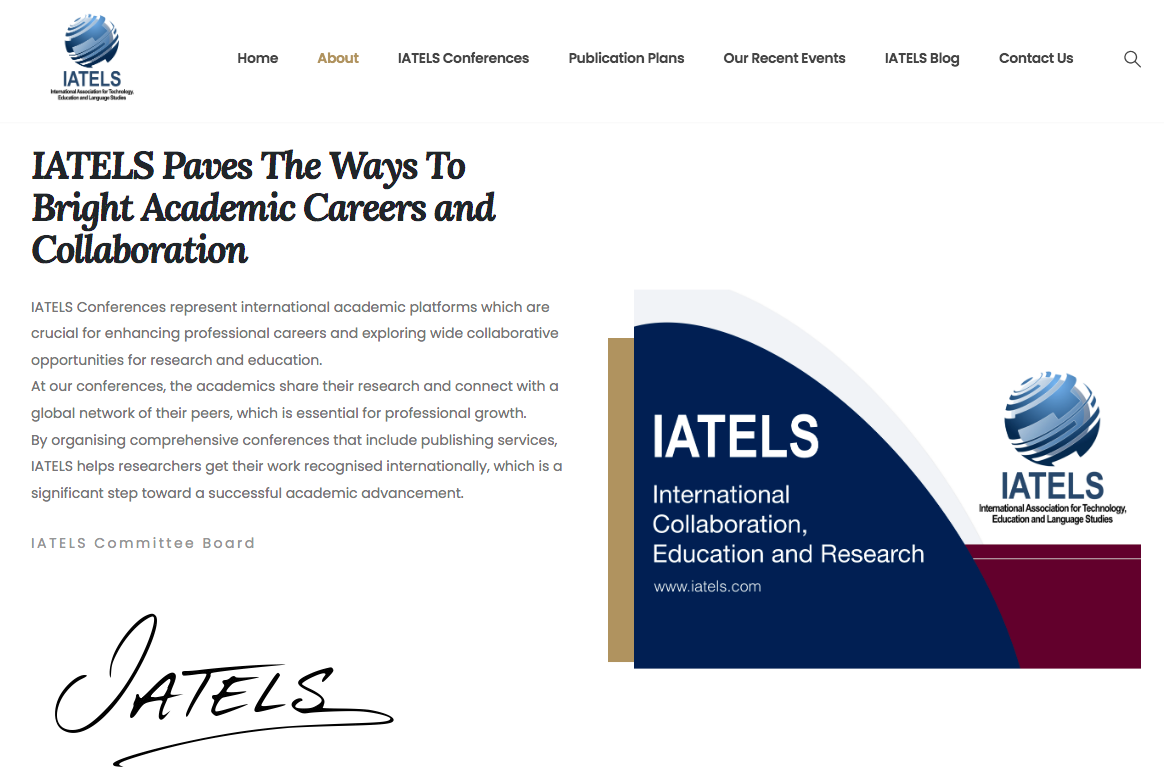
Developing the content and graphics is a crucial skill that brings the website’s structure and style to life. This stage involves creating all the textual and visual elements that will populate the site, ensuring they are cohesive and compelling.
Key Aspects of the Skill
- Crafting Compelling Copy: This involves writing all the text for the website, from the homepage headlines to the detailed bios and event descriptions. The copy must be clear, concise, and persuasive, using the right tone to resonate with the target audience of academicians and institutions. It’s about translating complex information into easily digestible and engaging language.
- Visual Storytelling: This skill focuses on selecting and creating graphics, images, and other visual assets that complement the text and enhance the user experience. The visuals should be professional and relevant, helping to convey IATELS’s global and innovative identity. This includes:
- High-quality photography: Images of past conferences, speakers, and members to showcase the vibrant community.
- Infographics: Visual representations of data, such as membership benefits or conference statistics, to make information more accessible.
- Icons and illustrations: Custom graphics that align with the brand’s aesthetic and simplify navigation.
- Consistency in Branding: This final step ensures that all content and graphics maintain a consistent brand identity. The color scheme, font styles, and overall visual tone must be uniform across the entire website to create a professional and trustworthy impression. This consistency reinforces the brand message and makes the website feel polished and credible.
5. Coordination and Communication with the Customer
Coordination and communication with the customer is a foundational skill in any project, ensuring that the final product meets the client’s expectations and vision. For the IATELS website, this skill involves maintaining a continuous, open dialogue with the stakeholders at STARTINFORUM.
Key Aspects of the Skill
- Iterative Feedback Loop: This involves presenting drafts and mockups to the client at various stages of development. The process starts with a preliminary plan and progresses to detailed mockups of the home page and key sections. This allows for feedback and adjustments early on, preventing major issues later in the project. The client’s input is a vital part of the creation process, ensuring the website reflects their professional vision.
- Clear and Consistent Communication: Communication must be timely, professional, and clear. This includes:
- Scheduled check-ins: Regular meetings to discuss progress, present new designs, and address any concerns.
- Progress reports: Providing written updates on milestones, task completion, and upcoming work.
- Clarification and Confirmation: Double-checking that the client’s feedback is fully understood before implementing changes.
- Client Education and Empowerment: This is about more than just listening; it’s about guiding the client through the process. By explaining the rationale behind design and content choices, the developer empowers the client to make informed decisions. This collaborative approach ensures that the final website is not only functional but also a true representation of the IATELS brand.
6. Fast Data Analysis, Control, Communication, Task Realization
Fast Data Analysis, Control, Communication, and Task Realization are all critical skills that ensure a project is executed efficiently and effectively. These are not separate, isolated steps but rather an interconnected set of proficiencies that drive a project from planning to completion.
Key Aspects of the Skillset
- Fast Data Analysis: This involves the ability to quickly process and understand information relevant to the project. In the context of the IATELS website, this means rapidly interpreting user feedback, analyzing web traffic data, and understanding key metrics to make informed decisions. It’s about turning raw data into actionable insights to optimize the project’s direction.
- Control: This is the ability to maintain a firm grasp on all project elements, ensuring they stay on schedule and within scope. For the website, this involves managing the development timeline, overseeing content creation, and ensuring that all tasks are completed to a high standard. It’s about proactive management to prevent issues before they arise.
- Communication: This is the cornerstone of successful project execution. It involves clear and consistent communication with all stakeholders, including the client (STARTINFORUM), developers, and content creators. Effective communication ensures everyone is aligned on goals, understands their roles, and is aware of project progress.
- Task Realization: This is the culmination of all the other skills—the ability to turn plans and strategies into tangible results. It’s the hands-on process of building and launching the website, from coding and design to content population and final quality assurance. Task realization is the ultimate measure of success, demonstrating that the project’s vision has been fully brought to life.
- OUR CUSTOMER'S TESTIMONIAL

We are happy to announce and share our new website IATELS Conferences https://iatelsconference.org as one platform for IATELS International Association academic events, conference submissions and publications.
We would also like to acknowledge STARTINFORUM International Business and Project Management for their organisational and technical support.
This is a newly emerging platform and we hope it will become much stronger with more news, updates and publications for upcoming events and IATELS developments!
- OUR CUSTOMER'S TESTIMONIAL

Thank you very much for the work. The website became really very much impressive, dynamic, with a modern design. Great job!